Informazioni
STeP Project addresses the impact of ceramic technology on early potters during the Neolithic applying a novel cognitive approach to material culture
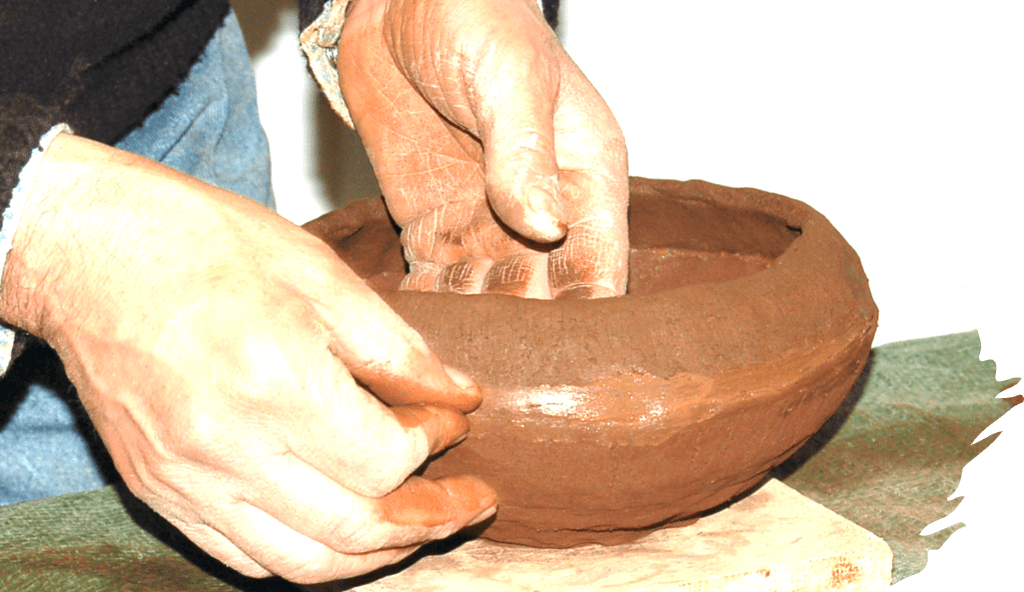
The novelty of STeP is the multidisciplinary approach that combines archaeology and cognitive neuroscience
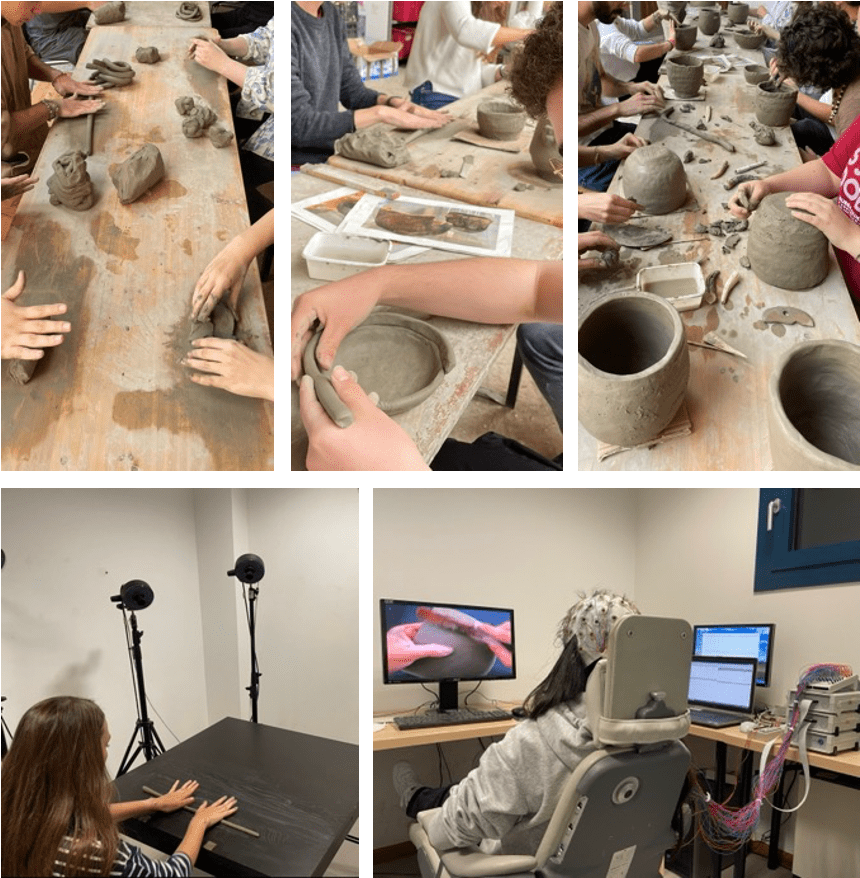
The research work allowed to reach achievements in the field of archaeology providing new data for reconstructing the Neolithic craft behaviours and interpreting the material culture not only in terms of stylistic variability but also as the product of people with diverse manual skill.
STeP Project found that intensive coiling pottery making, used here as a proxy of the foremost potter’s activity during the Neolithic, can modify the functional properties of a brain area responsible for action control and execution.
The study also suggests that motor skills consistently impact material culture’s variability, and diverse levels of pottery skill can be identified in archaeological artefacts in terms of symmetry and consistency of the vessels along with a significant reduction in errors usually occurring in modeling walls and refining surfaces.
StEP Project was supporte by Next Generation EU – PNRR Missione 4 Componente 2 Investimento 1.2 – Finanziamento di progetti presentati da Giovani Ricercatori DM 247/2022 – Progetto STeP – CUP B83C22006500001
 Vanessa Forte, PhD, Archaeologist